

Table of Contents
- Why Nature Inspired Nursery Decor Creates Calmer, Happier Kids
- Woodland Nursery Theme Ideas That Grow With Your Child
- Nature Inspired Nursery Wallpaper: Choosing the Right Backdrop
- How to Style a Whimsical Nursery Without Overdoing It
- Neutral and Earthy Color Palettes for a Serene Environment
- Budget-Friendly DIY Nature Decor and Eco-Conscious Sourcing
- Small-Space Nature Nursery Solutions and Layout Tips
- Conclusion
- Frequently Asked Questions
Last Updated: September 15, 2026
Why Nature Inspired Nursery Decor Creates Calmer, Happier Kids
Nature inspired nursery decor is a design approach that brings outdoor elements, natural materials, and organic motifs into a child's room to create a soothing, imaginative environment. At At the Cottage, nature is at the heart of every enchant, whimsical wallpaper and character pillow, and the pattern we hear from parents is consistent: rooms that echo the outdoors feel quieter, calmer, and easier to settle in, even when they’re a bit playful.
The thinking behind this is what designers call biophilic design, the practice of connecting indoor spaces to nature. In a nursery, that connection does real work. Natural textures, muted greens, and soft woodland motifs give a baby's developing senses something gentle to rest on rather than the overstimulation of bright plastics and flashing toys. Also, what psychologists call soft fascination, the discovery or mystery and wonder in hidden undefined quiet interests, like a snail crossing a mossy rock. Can let an overstimulated and dis-regulated brain enter an effortless state of attention that is regulating and soothing.
Below, we'll walk through woodland themes, wallpaper choices, color palettes, DIY budget options, and small-space layouts, so you can build a room that grows with your child instead of getting ripped out in two years.
Woodland Nursery Theme Ideas That Grow With Your Child
A woodland nursery theme works because it ages gracefully. Where cartoon-character themes date quickly, foxes, ferns, and soft green tones stay timeless, which means you're not redecorating the moment your toddler develops opinions.
The trick is to build the theme in layers you can swap out, not in permanent commitments you'll regret.
A cozy woodland-themed nursery corner with a crib, rattan basket, plush fox and deer figurines on a shelf, layered knit blankets, and soft natural light through a window
Animal Motifs and Woodland Characters
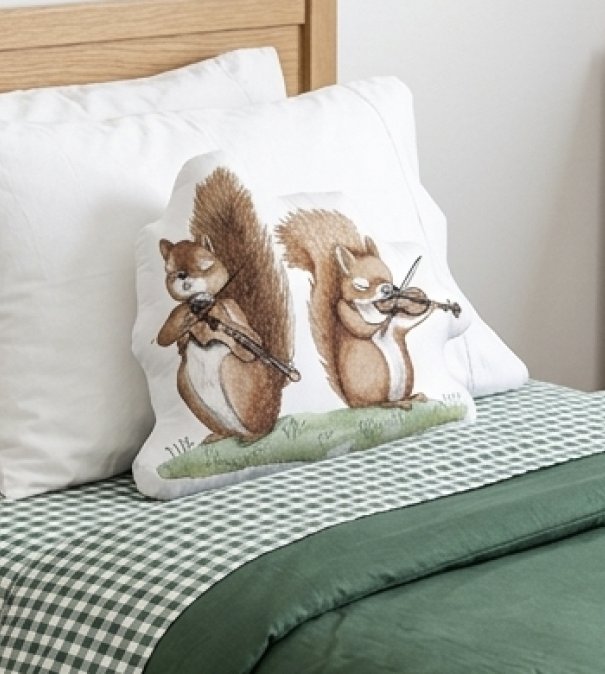
Start with a small cast of creatures rather than a full menagerie. A plush fox on the shelf, a deer figurine on the dresser, and a single character pillow on the glider chair do more than a wall covered in every forest animal. Keep the palette limited to two or three earthy tones so the animals read as a family, but we all love nontraditional family too!
Layered Textiles and Organic Textures
Texture is where a woodland room earns its calm. Combine a chunky knit blanket, a woven rattan basket, and a soft cotton rug so the eye has natural variation without color chaos. Layering cotton, wool, and rattan adds the tactile richness that makes a room feel warm rather than flat.
Nature Inspired Nursery Wallpaper: Choosing the Right Backdrop
Nature inspired nursery wallpaper is the single most impactful decision in the room, because it sets the tone everything else responds to. Choose it first, then pull your textiles and accessories from its colors. Really if you go this direction, you can let the pattern of the wallpaper do the heavy lifting, adding character and atmosphere to your room for you!
The most flexible option is a soft, repeating botanical or woodland pattern in muted greens and creams. It reads as a full forest at a glance but stays quiet enough that it won't overwhelm a small room or clash with furniture you already own.
Murals, Decals, and Botanical Prints
- Murals: A full wall mural creates a focal point, ideal for a single accent wall behind the crib.
- Decals: Removable nursery wall decals are the least permanent option and suit renters or parents who want to change things up.
- Botanical prints: Framed botanical prints offer the theme in small doses and can be rearranged or replaced as your child grows.
How to Style a Whimsical Nursery Without Overdoing It
Styling a whimsical nursery is either about restraint or fun. Depends on your personality!
Join my email list to enjoy a little whimsy in your inbox! →
Balancing Whimsy With Minimalist and Modern Rooms
You don't have to choose between whimsical and minimalist.
Neutral and Earthy Color Palettes for a Serene Environment
Palette |
Base Colors |
Accent |
Best For |
|---|---|---|---|
Woodland |
Sage, cream, brown |
Terracotta |
Classic forest rooms |
Meadow |
Soft green, ivory |
Butter yellow |
Bright, airy spaces |
Rustic |
Clay, oatmeal, taupe |
Deep forest green |
Cozy, grounded rooms |
Boho-nature |
Sand, blush, olive |
Rust |
Layered, textured spaces |
Budget-Friendly DIY Nature Decor and Eco-Conscious Sourcing
You can build a nature-inspired nursery without a big budget.
Reading Labels Like a Sourcing Editor
- Textiles: Look for the Global Organic Textile Standard (GOTS) logo on crib sheets, swaddles, and quilts.
DIY Projects That Hold Up
- Pressed botanicals in floating frames: Free if you forage, and the glass keeps them dust-free. Press leaves between parchment under a heavy book for about two weeks before framing.
- A branch display shelf: A single sanded branch mounted with two L-brackets becomes a hanging spot for small plush animals or a mobile. Seal it with a water-based polyurethane so it wipes clean.
- Painted leaf motifs on storage bins: Plain canvas or wooden bins take acrylic leaf stamps in your palette's sage and cream. Seal with a water-based topcoat.
- A felt leaf garland: Cut simple leaf shapes from wool-blend felt and string them on cotton twine. Wool-blend felt holds shape better than acrylic and photographs warmer.
The Long-Game Math
Durable, non-toxic decor isn't just a safety choice, it's a cost choice.
Small-Space Nature Nursery Solutions and Layout Tips
Most nursery content assumes a dedicated room. And you might not have the privilege or desire for a separate room.
Start With the Crib Footprint
A standard crib is roughly 28 by 52 inches, and safe-sleep guidance calls for keeping it clear of cords, curtains, and wall decor within reach of a standing toddler.
Work Vertically, Not Outward
- Above the changing table: Two or three floating shelves at 48 to 60 inches hold diapers, wipes, and a few woodland figurines without consuming floor area. Anchor them into studs, a loaded shelf over a changing pad is not a place for drywall anchors.
- Behind the door: Over-door hooks or a slim hanging organizer hold extra blankets, swaddles, and a wet bag. This is dead space in almost every small nursery.
- Under the crib: A shallow rolling bin fits under most cribs and slides out for sheet changes. Skip anything tall enough to block the mattress-height airflow.
- Wall hooks at adult shoulder height: Baskets, a woven wall hanging, and a soft mobile all hang here without eating a square foot.
Shared-Room and Closet-Nursery Layouts
- Use a visual divider, not a wall. A sheer curtain on a ceiling track, a tall open shelving unit, or a folding screen separates the sleep zone from the adult zone without blocking light or airflow. The divider also gives the baby a consistent visual cue for sleep.
- Keep the nature theme concentrated on one surface. In a shared room, a single wall of botanical wallpaper or one large woodland mural does the thematic work. Spreading the theme across the whole room competes with adult decor and makes the space feel smaller.
- Choose a mini-crib or a portable bassinet for the first year. A mini-crib runs about 24 by 38 inches, roughly half the footprint of a full crib, and buys you months of flexibility before you commit to a permanent layout.
- Closet conversions need ventilation. If you're using a walk-in closet, keep the door off or louvered and never enclose the crib on all four sides. Airflow matters more than the aesthetic.
Lighting and Sightlines in Tight Rooms
Conclusion
Building a nature-inspired nursery that stays calm comes down to a consistent earthy palette, pulling from your existing collections or one-off pillows, stuffies and a few well-chosen natural textures.
Frequently Asked Questions
How do you create a nature-inspired nursery on a budget?
Start with what you already own: rearrange furniture, swap in earthy-toned bedding, and add one or two nature-inspired nursery wall art prints rather than covering every wall. Thrift stores and estate sales can be good sources for wicker accents and wooden frames. For DIY nature decor, press leaves into framed art, paint simple branch silhouettes, or hang a handmade nursery mobile from found twigs. Consider spending your budget on one or two heirloom-quality pieces you will keep for years, like a wallpaper panel or character pillow, and complement them with affordable textile layers.
What are the best colors for a nature-inspired nursery?
Earthy tones work best: sage green, warm terracotta, oatmeal, mushroom, and soft clay. These shades create a serene environment without feeling babyish, so the room ages well as your child grows. A neutral nursery palette of cream and warm gray lets you layer in woodland nursery theme ideas through textiles and art instead of repainting later. If you want more color, add muted mustard, dusty blue, or moss green as accents in a cozy rug, curtains, or nursery accessories. Avoid bright primary colors if your goal is a calm, restorative space.
Are nature-themed nurseries gender-neutral?
Yes. Nature-inspired nursery decor works for any child because it draws on forests, botanicals, and animals rather than gendered color coding. A woodland nursery theme with foxes, owls, and ferns suits a boy or a girl equally. Neutral and earthy color palettes keep the room flexible, and animal motifs or botanical prints can be styled either soft and whimsical or clean and modern. This approach can also offer flexibility if your family grows or your child's preferences shift.
What wall decor works best for a nature-themed nursery?
Nature inspired nursery wallpaper makes the strongest backdrop, especially designs with woodland scenes, botanical prints, or forest-inspired illustrations. If wallpaper feels like too much commitment, framed art prints offer flexibility. Framed art prints grouped in twos or threes add nursery wall art without overwhelming the room. Mix one large focal piece with smaller accents, and keep the rest of the walls calm so the pattern reads as intentional rather than busy.